Frequently searched for

A unique history
The Old Vic is a theatre whose unique history and global reputation was built on imagination, daring and genius; extraordinary acting, dance and music, in repertoire that challenged and inspired the broadest and, at times, unlikeliest audience. Led over the last 200 years by visionaries, hucksters, puritans, impresarios and actor managers and the birthplace of national companies and legendary careers, the Old Vic has always danced to a different, sometimes eccentric, but always distinctive, tune.
Ellen Terry and Charles Laughton, Maggie and Matt Smith, Andrew Scott and Vivienne Leigh, Margot Fonteyne and Paganini, all made their names at the Old Vic while Judi Dench, Helen Mirren and Michael Gambon started their careers here. Hamlet alone has been played on our stage by Edmund Kean, Ira Aldridge, John Gielgud, Laurence Olivier, Alec Guinness, Richard Burton, Peter O’Toole, Albert Finney and Ben Whishaw.
Today, the Old Vic led by Artist Director Rupert Goold and Executive Director Laura Stevenson, welcomes audiences over 300k every year and inspires the theatre makers of the future through our education and artist development programmes
Our passion is for theatre that resonates long after you leave, that gets under your skin, that unsettles, surprises, thrills and inspires. In a fragmented and divided world, theatre brings people together and creates community through story. When the lights go down every night, live theatre finds patterns in the chaos — it brings joy and passion, theatre deepens the mystery.
Recent reports:
In 2018, the Old Vic celebrated its 200th birthday and below are some snapshots into the work of the Old Vic throughout our history.
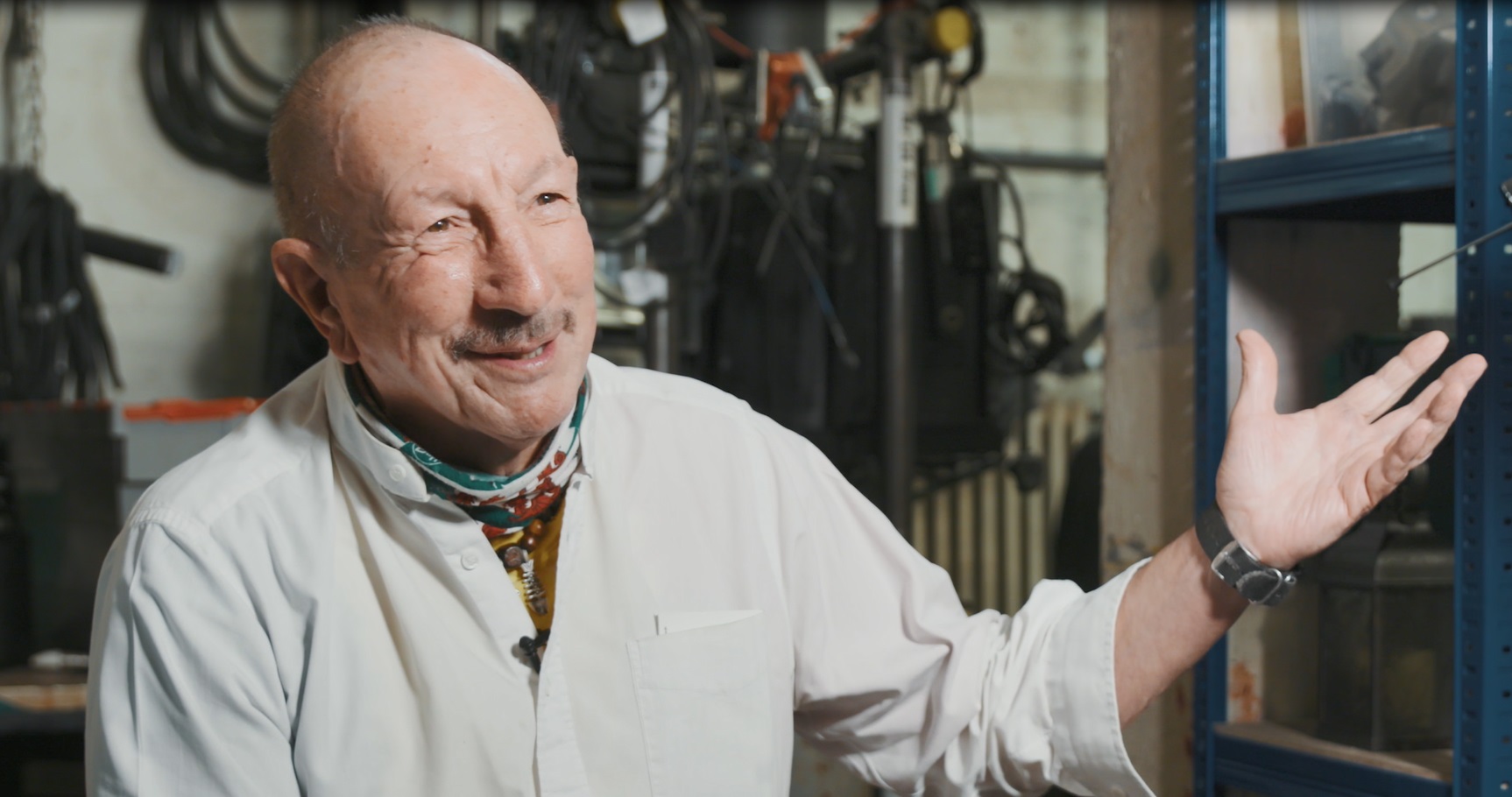
Finding a home at the Old Vic
Finding a home at the Old Vic
‘The Old Vic definitely saved my life and I will always be grateful’
Following the death of his father, Chris Jones came to London where he soon ran out of money and became homeless. He tried to use the last of his money to buy a ticket to see Peter O’Toole in Hamlet. Instead, he was offered a job and stayed at the Old Vic for the next 15 years.
Thank you to the National Theatre Archive for the use of material featured in this video.
Though every effort has been made to trace copyright holders of the material displayed here, this has not always proved possible. If you know of any errors or omissions in the crediting, please get in touch.
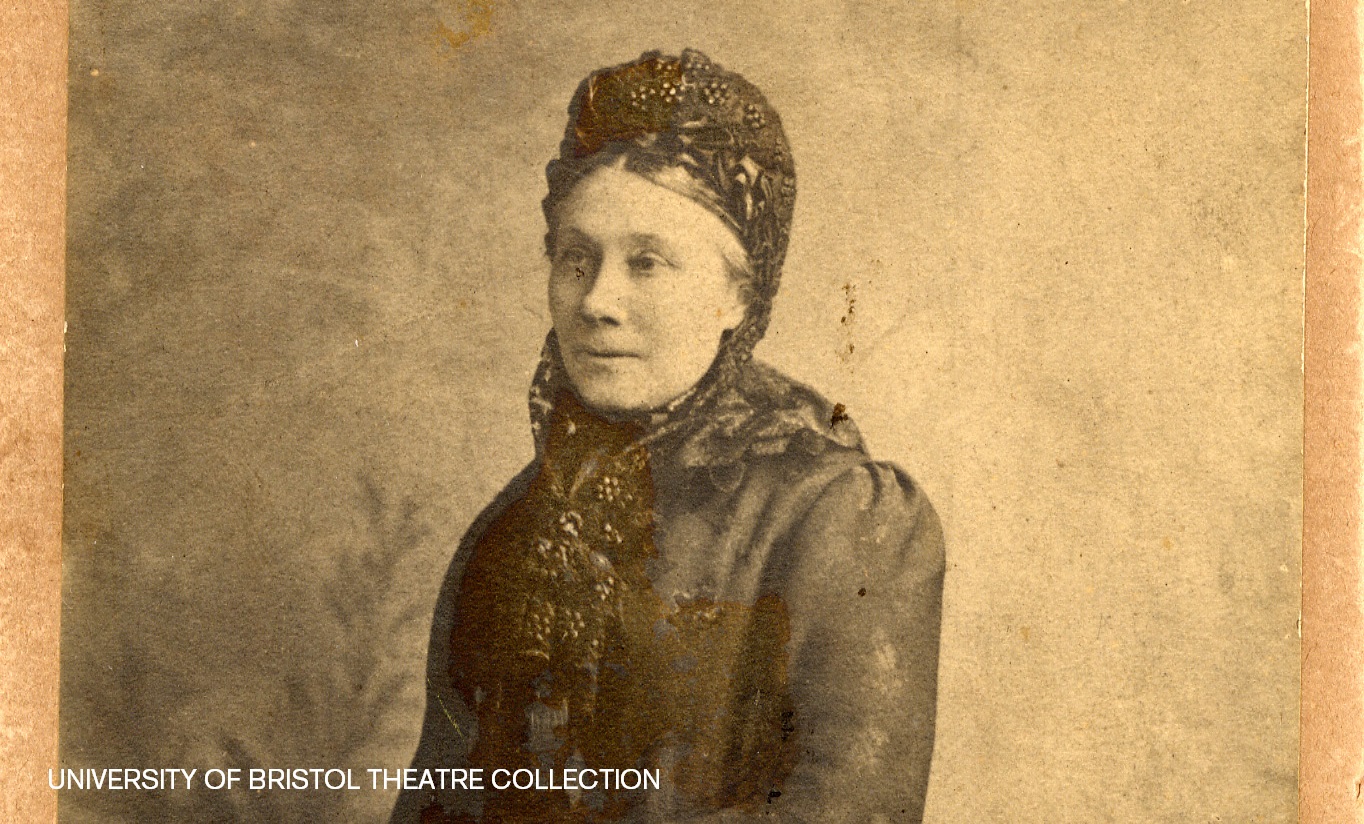
The Royal Victoria Hall
The Royal Victoria Hall
On this day in 1880 Emma Cons took over the management of the Old Vic.
The past decade had been an uncertain one for the theatre. It went bankrupt in 1872 after manager Romaine Delatorre failed to pay the bill for his lavish renovation of the theatre. William Frewer followed and went bankrupt in 1875.
Image credit: University of Bristol Theatre Collection

Theatre in Wartime
Theatre in wartime
The Old Vic has stood on The Cut for almost 200 years amidst the First and Second World Wars. Despite the black outs and the bombs, the Company continued to make theatre for the nation.
At the outbreak of The First World War, actor, director and impresario Ben Greet was one of many charged with cheering the nation. He came to the Old Vic offering a season of Shakespeare to Lilian Baylis and stayed for the next four years. Whilst the austerity of war meant that West End theatres were putting on fewer lavish productions and very little Shakespeare, the Old Vic (being well accustomed to frugality under Lilian’s management) thrived, putting on 24 Shakespeare plays over four wartime seasons.
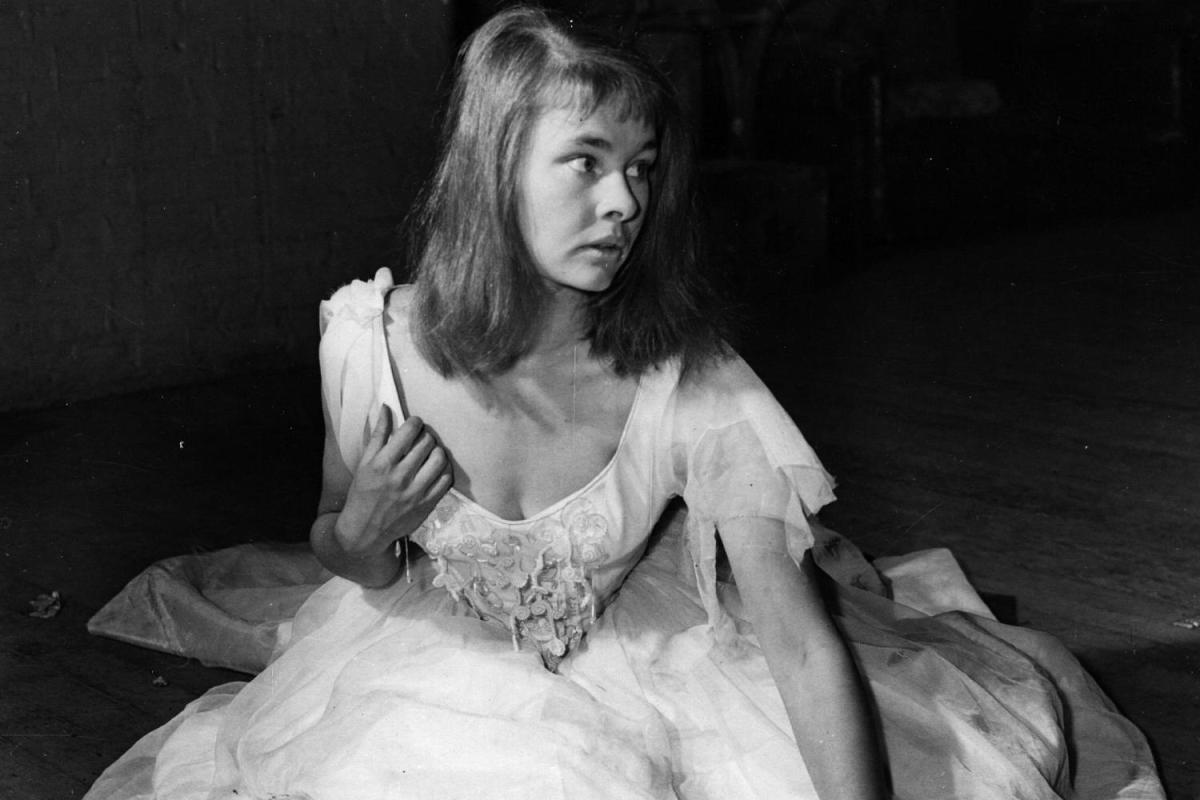
Judi Dench
Judi Dench
‘The girl with the week’s biggest break’
Dame Judi Dench returned to the Old Vic 60 years after she made her professional stage debut as Ophelia at 22. She discusses beginning her career at the Old Vic with Jade Anouka.
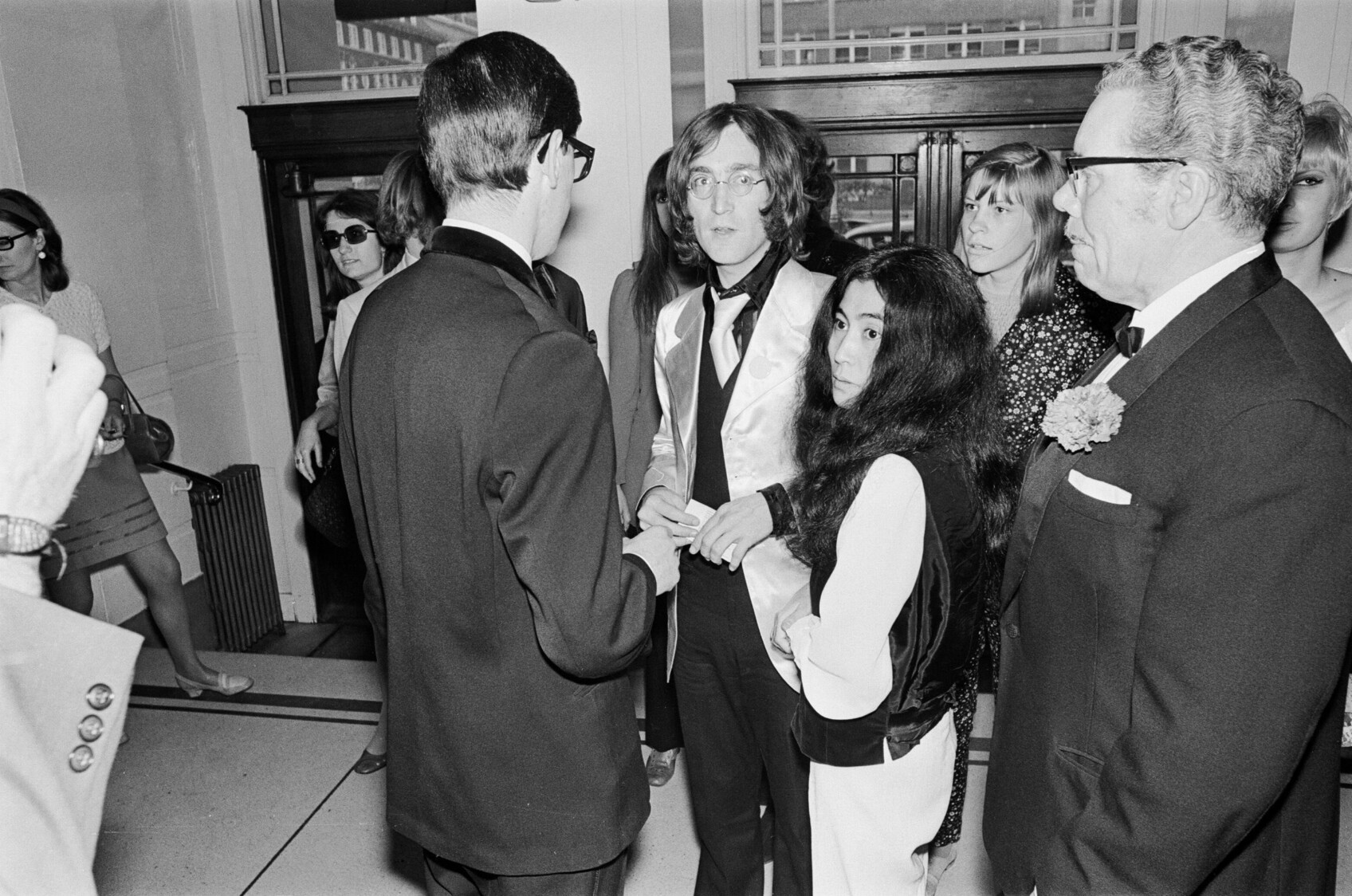
In His Own Write
In His Own Write
‘When I saw the rehearsal of it I felt quite emotional, as if I’d written it. I knew in my heart of hearts who was who and what the book was saying but not enough… It took something like this to happen to make me see what I was about back then.’
John Lennon
Published on 23 Mar 1964, John Lennon’s nonsensical collection of short stories, poems and sketches In His Own Write was his first foray into the world of book writing, and the first solo project by any member of The Beatles. It was followed by A Spaniard in the Works and in 1968, it was adapted for the stage by Adrienne Kennedy and Victor Spinetti, where it debuted at the Old Vic on 18 June 1968.
Here he is with Yoko Ono in the Old Vic foyer on opening night.
The man who brought marketing to The Old Vic
The man who brought marketing to the Old Vic
It’s hard to remember a time when we weren’t followed around the internet with adverts from shows we’d like to see and products we’d like to buy. With developments in technology, the world of marketing today is very different to what it was back in the 1970s, but how did you fill a theatre before the internet? Old Vic Marketing Manager Izzy Madgwick spoke to Jules Boardman, the man charged with finding a new audience as the National Theatre prepared to move from ’he Old Vic to the Southbank in the 1970s.
Lilian Baylis
Sir Peter Hall

The Old Vic Chandelier
The Old Vic Chandelier
Our chandelier was actually a prop from a production in the 1950s.
It splits into three pieces, has 44 light bulbs and can currently be found backstage as it takes a break during the run of A Christmas Carol which means we were able to take a closer look without having to climb to the top of our auditorium.

The Old Vic and the Second World War Bomb
The Old Vic and the Second World War Bomb
On this day in 1950 the Old Vic reopened after 10 years in the dark.
The doors had closed in September 1940 at the beginning of the blitz and in May 1941, the building was hit by a bomb which blew out the outside wall of the rehearsal room at the top of the theatre (although the original bare roof trusses from 1818 where untouched and still remain to this day).

Vivien Leigh

Letters from a stage manager
Letters from a stage manager
My mother was Rose Temple, born in 1909 in Darjeeling in India. Upon graduation, she used to tell us that disappointingly she did not achieve the level of acting ability that would guarantee a thespian career. But she loved the theatre so much that she chose to stay at the Old Vic to work in various guises, as an understudy, a prompter and as an assistant stage manager.

Olivier and the Fiat 500
Olivier and the Fiat 500
In 1964 I buzzed along in my Fiat 500 for an interview at the National Theatre offices in Aquinas Street, not too far from the Old Vic. The offices consisted of a row of porta cabins and are vividly described in The National Theatre Story by Daniel Rosenthal. As he says ‘The Huts’ turned out to be freezing in winter and roasting in summer and ‘the slightest rainfall made even a routine telephone conversation quite an adventure in phonetic comprehension’.